H2 - Damp and Weatherproofing

Short Version
Water is one of the biggest causes of building damage. When moisture gets into places it shouldn’t, it can lead to mould, rot, corrosion, unpleasant living conditions, and costly repairs. Part H2 – Damp and Weatherproofing of the NCC exists to stop those problems before they start.
Part H2 in NCC 2022 Volume 2 sets the minimum requirements to ensure buildings resist water from rain, ground moisture, surface water, and internal sources such as bathrooms and laundries. Its purpose is to protect both people and buildings from unhealthy conditions and long-term deterioration caused by dampness.
H2 is not only about keeping water out during a storm. It also addresses how moisture behaves over time, for instance how it drains away, evaporates, or is safely managed so it doesn’t become trapped inside walls, floors, or structural elements. Poor moisture control can make a building uncomfortable to live in and can seriously shorten its service life.
At its core, H2 aims to ensure that:
- Occupants are not exposed to unhealthy or dangerous conditions, such as mould growth
- Building elements are protected from decay, corrosion, and loss of strength
- Internal spaces remain usable, comfortable, and durable
Like other parts of the NCC, H2 focuses on performance, not just materials. The Code is concerned with the outcome being a dry, healthy building rather than dictating a single way to achieve it.
Why a Performance Solution May Be Needed for Part H2
Many buildings achieve H2 compliance by following standard construction details and Australian Standards, such as those for waterproofing, drainage, and wall cladding. However, damp and weatherproofing issues are highly site-specific, and the standard details do not always suit every project.
A Performance Solution for H2 may be required where a building includes non-standard designs or higher-risk conditions. Common examples include basements or below-ground walls, zero-threshold entries, complex roof forms, non-traditional wall systems, large areas of glazing, or buildings exposed to severe weather conditions.
In these situations, simply following a generic detail may not adequately manage water. A Performance Solution allows the design to be assessed based on how effectively it controls moisture in real conditions, rather than whether it matches a standard diagram.
This process involves identifying where water could enter or become trapped, assessing the risks, and demonstrating through design analysis, testing, and documented measures that moisture will be safely managed. Importantly, it also considers long-term performance, including maintenance and durability.
For owners and builders, a Performance Solution under H2 provides clarity and confidence. It shows that moisture risks have been properly considered and addressed, rather than assumed away. In practical terms, H2 Performance Solutions exist to make sure buildings stay dry, healthy, and serviceable even when the design pushes beyond the standard rulebook.
Performance Solution Topics - H2
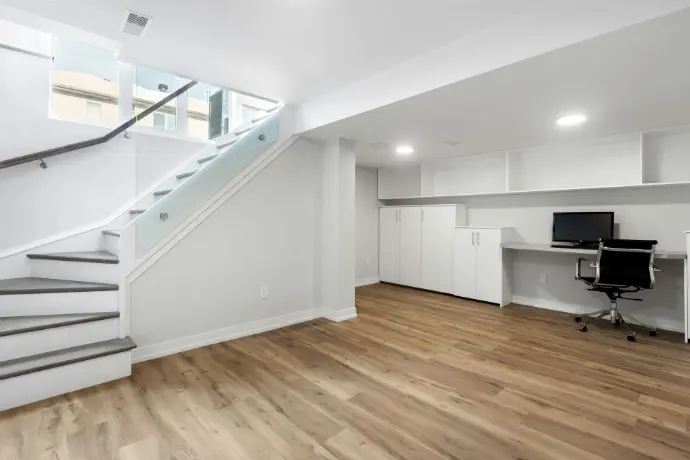
Below-ground walls and basements may require a Performance Solution to control groundwater and prevent ongoing dampness.
Non-standard wall systems may require a Performance Solution to demonstrate effective resistance to rain and moisture.
Low or zero-threshold openings may require a Performance Solution to prevent surface water entering the building.
Complex roof and drainage designs may require a Performance Solution to manage rainfall without water damage.
Non-standard wet area designs may require a Performance Solution to contain moisture and protect the building.
Want to read how we have helped out with H2 Performance Solutions?
Read about past projects we've helped out with below: