H7 - Ancillary Provisions

Short Version
Most people think the NCC is only about the “main house”. Part H7 exists because a lot of real-world risk sits in the add-ons—things like pools, fireplaces, bushfire shelters, and construction in harsh climates. H7 pulls together extra requirements that operate alongside the other Parts of NCC Volume 2 so these ancillary elements don’t become the weak point in an otherwise compliant home.
In practical terms, H7 is trying to achieve three things:
- Prevent foreseeable harm from high-risk ancillary items (for example drowning risk around pools, or fire risk from heating appliances).
- Ensure special location risks are addressed, such as alpine areas and designated bushfire prone areas, where normal detailing may not be enough.
- Make sure ancillary structures “fit” with the rest of the NCC, rather than being treated as separate or informal works.

Why a Performance Solution May Be Needed for Part H7
H7 often triggers Performance Solutions when a project has non-standard site constraints (tight blocks, steep slopes), bespoke ancillary structures, or environmental exposure that doesn’t match typical details (bushfire-prone, alpine). It’s also common where proprietary systems are proposed and the standard Deemed-to-Satisfy pathway doesn’t neatly cover the configuration.
Performance Solution Topics - H7
Swimming pools/spas on steep or irregular sites may require a Performance Solution where typical barrier layouts, clearances, or construction assumptions don’t suit the site conditions, while still achieving the required safety outcomes.
Alternative pool barrier solutions (custom glazing, atypical boundary interfaces, complex deck interfaces) may require a Performance Solution to demonstrate equivalent containment, climb resistance and safety performance.
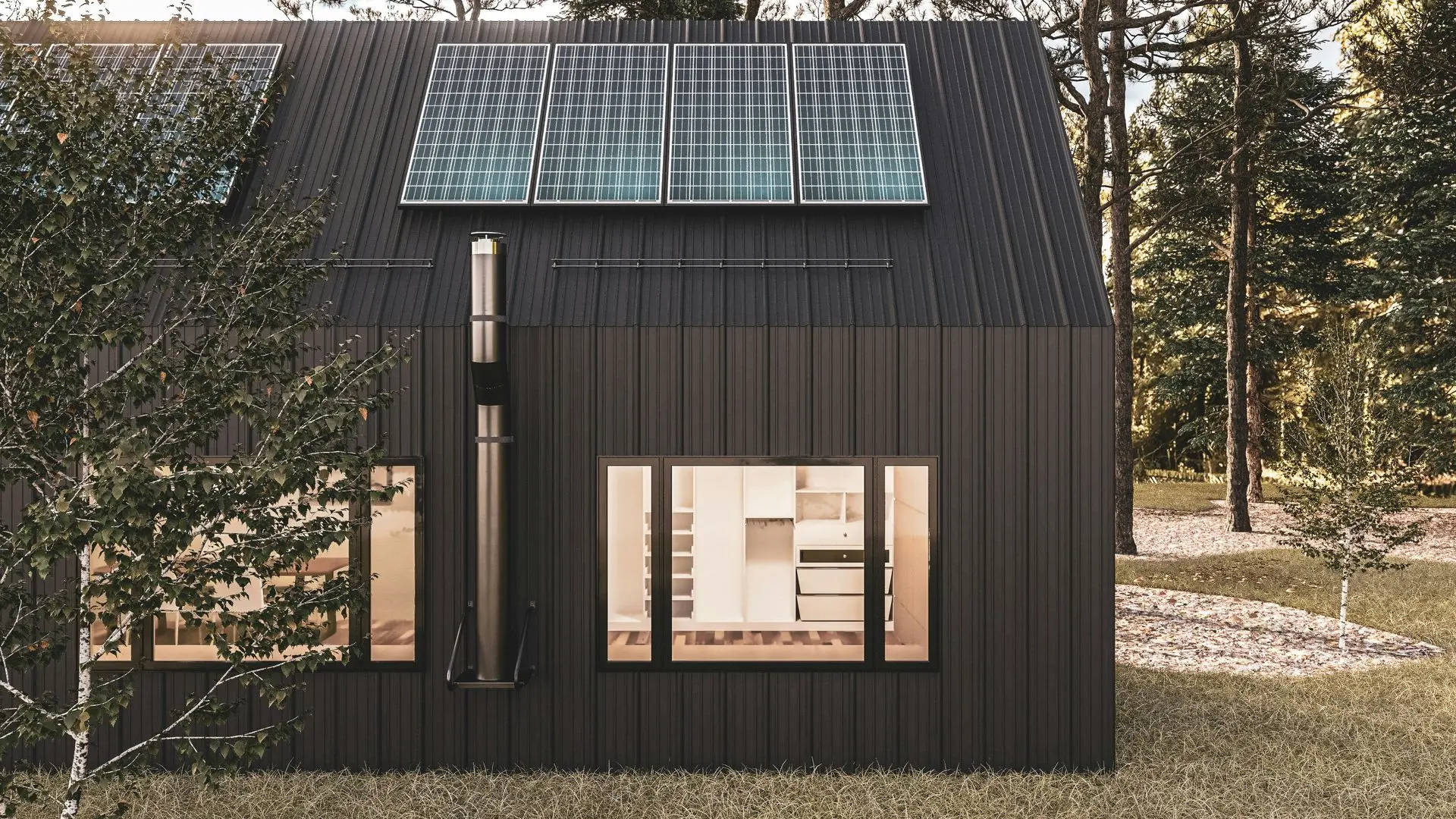
Non-standard heating appliances, fireplaces, or flue configurations (including unusual penetrations, clearances, or proprietary systems) may require a Performance Solution where the standard prescriptive approach cannot be followed while maintaining fire safety intent.
Private bushfire shelters, or shelter designs that deviate from the typical construction assumptions, may require a Performance Solution to demonstrate that the shelter provides the intended level of occupant protection in bushfire conditions.
Construction in alpine areas (snow, wind exposure, severe weathering) may require a Performance Solution where standard housing details do not adequately address the site’s climatic actions and durability demands.